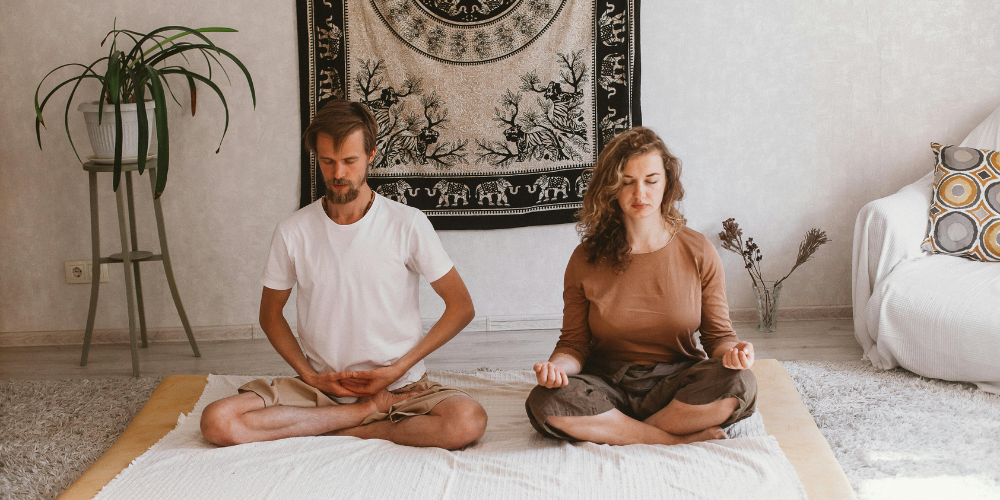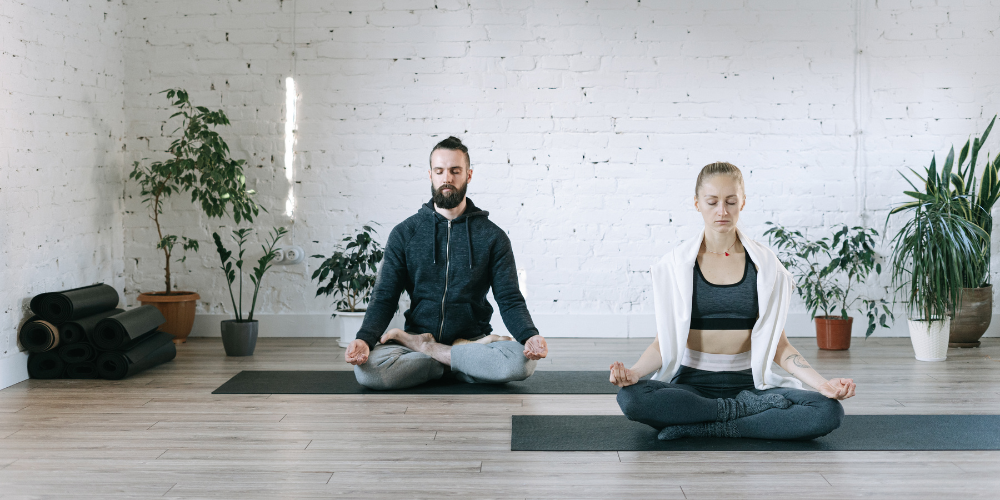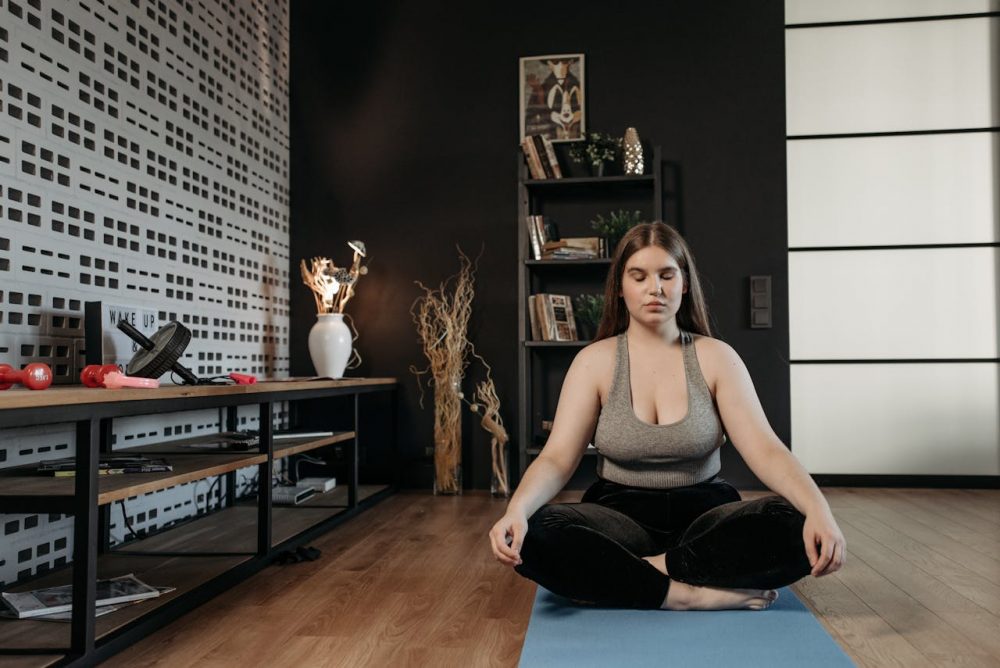

Sadly, we are living in a world that is obsessed with productivity and doing more. So, doing nothing intentionally sounds counterintuitive, maybe even wrong. We are used to filling every moment with tasks, goals, and achievements. Yet, as we hustle and push through each day, more people realize the value of slowing down or pausing entirely.
It turns out that intentional stillness might be exactly what we need to feel more alive, clear-minded, and in control.
This concept of intentional nothingness goes beyond just zoning out or taking a casual break. It is a conscious decision to stop, to detach from the buzz of modern life, and to simply exist. Millennials are adopting #SlowLiving, and Gen Z has redefined work with trends like “quiet quitting.” People want a lifestyle where they work less, live more, and reclaim time as their own.
The Rise of Doing Nothing Intentionally
Doing nothing intentionally has become more than a trend. It is a movement. The appeal lies in its simplicity. It is not about escaping responsibilities but about rethinking the value of time and energy. Social media, for example, showcases millions of posts tagged #SlowLiving.
While this may seem ironic given social media’s nonstop nature, it highlights the deep desire to find pockets of calm in our lives.

It is a way to create mental and emotional space where you can truly breathe, reflect, and experience life without distractions.
Why Doing Nothing Is Good for Your Brain?
When we are not focused on specific tasks, our minds shift into a state known as the “default mode network.” This mental state is crucial for creative thinking, introspection, and memory consolidation.
It is where innovative ideas and unexpected connections often emerge. This leads to those “eureka” moments that happen when you least expect them.
How to Find Balance Through Intentional Stillness
In today’s fast-paced world, finding balance feels like a constant challenge. Between work responsibilities, family commitments, and social obligations, it is easy to get overwhelmed. Doing nothing intentionally helps restore that balance by giving you permission to step back, reset, and breathe.
It is an act of self-care. One that requires no planning, no agenda, just a willingness to pause.

Thus, this balance is especially helpful in managing stress, as it teaches you to approach life with a calmer, more centered mindset. When life gets chaotic, the practice of doing nothing can anchor you, helping you respond to challenges with a sense of peace rather than panic.
Doing Less, Living More is the New Normal!
Across the globe, people are questioning the all-consuming nature of work. In the UK, the idea of a four-day workweek is gaining ground, a clear sign that people want more from life than endless hustle. Millennials and Gen Z are at the forefront of this change, advocating for flexible work styles and pushing back against the idea that work should dominate our lives.
The concept of doing nothing intentionally fits perfectly into this evolving mindset. Instead of equating value with productivity, this movement values well-being, relationships, and personal growth. It is about working less so we can experience life more fully.
After all, doing nothing is not about shirking responsibilities. It is about embracing the freedom to prioritize what matters most.