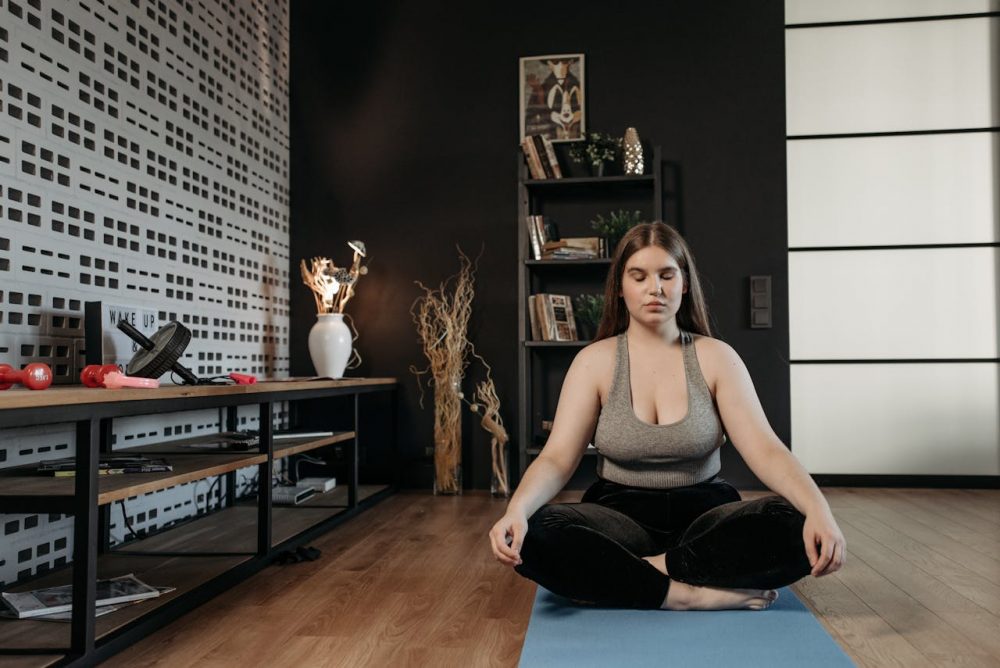

You know that friend who prefers a quiet evening with a book over a raucous night out at the club? Or maybe you have wondered why you feel drained after a day of social interactions, even if they were pleasant.
Do not judge a book by its cover! This is not about being shy or anti-social. Welcome to the world of introversion!
Who Is an Introvert?
In the simplest terms, an introvert is someone who tends to recharge by spending time alone. They often feel drained after being out and about, especially after a lot of socializing. It is not that they do not enjoy spending time with others. But it is a certain amount of energy they expend in doing so.

Swiss psychiatrist Carl Jung, one of the pioneers of personality theory, first introduced the terms “introvert” and “extrovert” in the early 20th century. According to Jung, while extroverts are oriented toward the external world, introverts are oriented toward the internal world.
What Are the Major Introvert Personality Traits?
Not all introverts are the same, just as not all extroverts are party animals. However, there are some common characteristics that many introverts share:
Introverts Talk Less & Listen More
Introverts tend to listen more than they speak. When they do talk, it is often well-thought-out and meaningful. So, one of their leading personality traits is that they listen more and talk less.

Sensitive to External Stimuli
Noisy environments or too much visual stimulation can be overwhelming. However, it is not about being anti-social, but rather, it is about the need for a peaceful environment.
Preference for One-on-One
While they might shun big group settings, introverts often thrive in one-on-one interactions or in small groups, where conversations can be more personal and less superficial.
Need for Alone Time
This is not about being aloof. Instead, it is a genuine need to recharge. After a day of social interactions, an introvert’s idea of relaxation might be a quiet evening with a book, music, or a movie.
Deep Thinkers
Introverts often dive deep into their thoughts and enjoy introspection. This introspective nature means they often ponder life’s big questions.

So, being a deep thinker is one of the leading personality traits of introverts.
Debunking Common Myths About Introverts
There are many myths surrounding introverts. One of the major myths about introverts is that they are shy or do not like people. Not true! Shyness is about fear of social judgment. An introvert might avoid a party not out of fear but simply because they expect it to be draining.
Another myth is that introverts do not make good leaders or public speakers. They do! History and business are littered with examples of introverted leaders and influencers. Think of Bill Gates, Barack Obama, or J.K. Rowling. They have all spoken about their introverted tendencies.
Parting Thoughts
There is no doubt that being an introvert is not about fitting into a neatly defined box. Instead, it is a spectrum. Some might be more introverted than others, while some might find they have traits of both introversion and extroversion.
However, the key is understanding yourself, embracing your strengths, and navigating the world in a way that feels authentic to you.