

Maintaining gut health is essential for overall well-being, and vitamins play a crucial role in supporting its functions. Understanding what vitamins are good for gut health can empower individuals to make informed dietary choices.
Let’s explore the vitamins that promote a healthy gut and how they contribute to digestive wellness.
The Impact of Gut Health on Overall Well-being

Dr. Neil Paulvin, a medicine specialist, emphasizes the profound interconnectedness between gut health and mental well-being through the gut-brain axis. Dubbed as “the second brain” by some scientists, the gut exerts influence across diverse facets of health, including immune function, sleep patterns, and metabolic processes.
Dr. Paulvin encapsulates the essence by highlighting that a well-functioning gut can serve as a cornerstone for holistic health.
Signs of an Unbalanced Gut and Remedies
An imbalanced or compromised gut can manifest through various warning signs, such as digestive disturbances like bloating, gas, or irregular bowel movements, alongside weakened immunity, disrupted sleep patterns, and heightened stress levels. Addressing these symptoms promptly is key to restoring gut equilibrium.
Dr. Kyle S. Eldredge, a proficient colorectal and general surgeon, underscores the vitality of conventional methods like consuming a fiber-rich diet, engaging in regular physical activity, prioritizing adequate sleep, and managing stress levels.
Exploring What Vitamins Are Good for Gut Health

1. Probiotics – These live microorganisms play a pivotal role in maintaining gut flora balance, with sources like Greek yogurt, kombucha, and kimchi spotlighted for their probiotic content. Supplement options include powders, capsules, and tablets designed to bolster gut health.
2. Prebiotics – Fiber-rich prebiotics fuel probiotic growth in the gut, primarily sourced from fruits, vegetables, and select supplements. Dr. Amy Lee from Lindora advocates maximizing prebiotic consumption through natural food sources to optimize probiotic levels.
3. Apple Cider Vinegar (ACV) – This fermented apple juice derivative contains pectin, a prebiotic compound known for its gut-friendly properties. Opt for unpasteurized ACV variants, potentially enriched with probiotics, to support your gut microbiome.
4. Psyllium Husk – A soluble fiber powerhouse, psyllium husk aids in maintaining bowel regularity and may alleviate constipation or diarrhea symptoms. While prioritizing dietary fiber intake is ideal, psyllium husk supplements can offer additional support when needed.
5. Vitamin D – Essential for overall health, vitamin D’s potential anti-inflammatory properties in the digestive tract underscore its role in gut health maintenance. Individuals in regions with limited sunlight exposure or with darker skin tones may benefit from vitamin D supplementation.
6. Vitamin C – Known for its immunity-boosting benefits, vitamin C also supports gut health by promoting the production of short-chain fatty acids critical for gut-brain communication and intestinal barrier protection. Both dietary sources and supplements offer ample vitamin C intake options.
7. Butyrate – A short-chain fatty acid derived from fiber breakdown, butyrate nurtures colon cell health and gut integrity. While available in supplement form, clinical outcomes on butyrate supplementation efficacy vary and merit further research.
8. Glutamine – This amino acid showcases promising potential in supporting gut microbiome health and modulating inflammatory responses. Preliminary studies suggest glutamine’s efficacy in alleviating symptoms of conditions like irritable bowel syndrome (IBS), showcasing its gut-boosting capabilities.
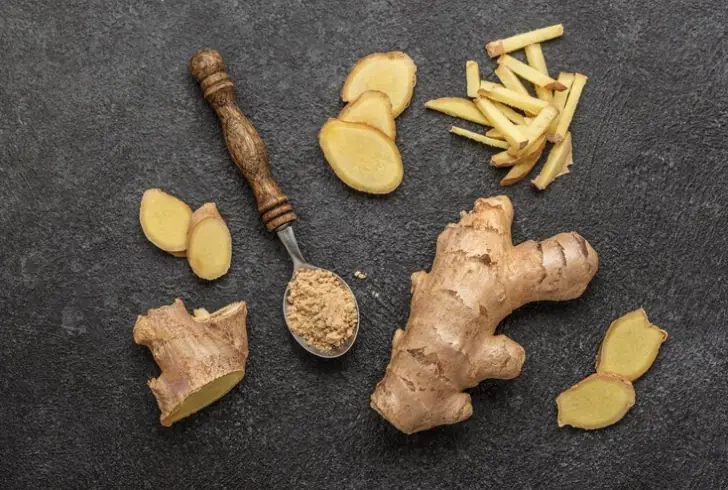
9. Ginger – Renowned for its anti-inflammatory and antioxidant properties, ginger stands out as a natural remedy that may positively impact gut microbiota diversity. While short-term studies demonstrate promising outcomes, further exploration is warranted to fully grasp ginger’s potential as a gut health enhancer.
10. Curcumin – Derived from turmeric, curcumin boasts potent anti-inflammatory and antioxidant effects, potentially benefiting beneficial gut bacteria populations. Ongoing research aims to elucidate curcumin’s impact on gut health further, emphasizing the importance of consulting healthcare professionals before incorporating curcumin supplements into your routine.
Nurturing gut health goes beyond mere digestion; it inherently influences diverse facets of overall well-being. While embracing lifestyle modifications forms the cornerstone of gut health optimization, understanding which vitamins are good for gut health and integrating select vitamins and supplements can bolster gut resilience and foster a thriving gut microbiome.
Remember, consult with healthcare providers for tailored guidance on supplement usage, ensuring a holistic approach to fortifying your gut health.