
In our daily lives, mental states play a crucial role in shaping our productivity, happiness, focus, and even our health habits. It’s like an invisible force that guides our actions and decisions. Have you ever found yourself struggling to concentrate on important tasks when feeling tired or down? Or perhaps you’ve noticed that when you’re feeling frenetic, you tend to gravitate towards busy work instead of tackling deep, meaningful work?
Mental states can influence whether we exercise, eat healthily, binge-watch TV shows, indulge in alcohol or junk food, or even how we interact with our loved ones – with an open heart or rudeness. Recognizing and mastering these mental states is a powerful skill that can profoundly impact our lives.
Mastering the Art of Mental State Transitions
Recognizing and Experimenting
The first step towards mastering mental states is recognizing when you’re in the wrong state for the task at hand. If you want to write or engage in focused work, but you’re feeling frazzled and distracted, it’s unlikely that you’ll achieve the calm focus you need.

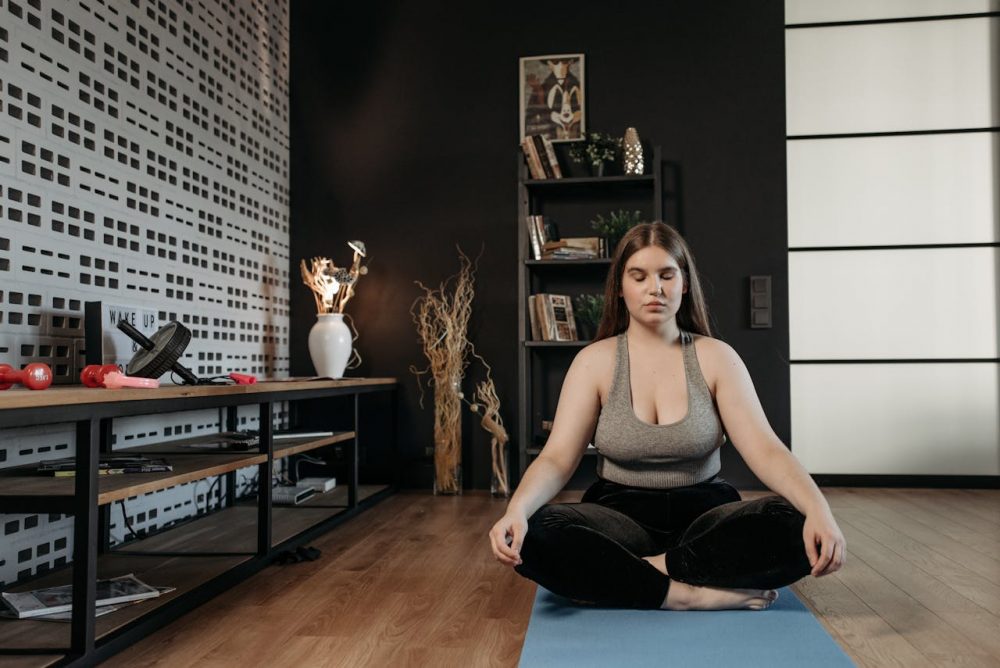
Once you’ve identified the mismatch between your current mental state and the desired one, it’s time to experiment. Different techniques work for different people, so it’s essential to find what resonates with you. Some common strategies include meditation, going for a walk, having a cup of tea or coffee, finding a quiet and uncluttered environment, reading inspirational quotes, or talking to someone (including a therapist, if needed).
The Power of Encouragement
Another potent tool in shaping mental states is encouragement. If you’ve been discouraged from pursuing a project, habit, or meaningful task, finding ways to encourage yourself can be transformative. The power of encouragement in altering your mental state cannot be overstated.
Practicing mindfulness throughout the day, recognizing your current mental state, identifying the desired state for your goals, and experimenting with various techniques are skills that can be honed over time. Mastery requires daily practice and a willingness to play and explore.
The Advanced “Antifragile” Skill
Embracing Imperfect Conditions
While mastering the art of transitioning into the right mental state is invaluable, there’s an even more advanced skill to strive for – the ability to do what you’re committed to doing, regardless of your mental state.

Relying on the perfect mental state and circumstances to achieve your goals creates a fragile system. Any disruption to the conditions required to enter the desired mental state can throw you off course and prevent you from doing your meaningful work.
An “antifragile” approach, on the other hand, means being able to tackle your commitments without requiring the ideal mental state or circumstances. It’s a more resilient system that allows you to move forward, even when conditions aren’t perfect.
Practicing the Antifragile Mindset
Here’s how you can practice this advanced skill:
- Recognize: Acknowledge when you’re not in the ideal mental state for the task at hand. You might feel tired, frazzled, distracted, or sad.
- Assess Commitment: Ask yourself if this task is important and if you’re committed to it. If it’s not crucial, you can postpone it until you’re in a better mental state. If it’s a priority, commit to doing it, regardless of the circumstances.
- Execute: Follow through on your commitment, despite your mental state. If you’re tired, that’s okay – you can still meditate, write, or exercise. If you’re distracted, you can still write, even if it’s not your best work.
- Embrace the Moment: If you’re in a bad mood, allow that mood to coexist with your meaningful action. With practice, you can learn to love the moment, even when filled with tiredness, distractedness, frustration, or sadness.
The Importance of Self-Care

It’s essential to note that while this “antifragile” approach encourages pushing through less-than-ideal mental states, self-care remains paramount. Prioritizing rest, taking care of your body and mind, and allowing for solitude are crucial for long-term happiness and health.
The goal is not to neglect self-care but rather to develop the ability to tackle commitments even when conditions aren’t perfect. With practice, you can learn to navigate moments of tiredness, distractedness, or emotional turmoil while still moving forward with purpose and dedication.
Embracing the Journey
Mastering mental states is a journey that requires patience, experimentation, and a willingness to embrace imperfection. By honing the skill of transitioning into optimal mental states and cultivating an “antifragile” mindset, you can unlock new levels of productivity, focus, and personal growth.
Remember, the path to mastery is paved with daily practice, playfulness, and a commitment to learning and evolving. Embrace the challenges and celebrate the small victories along the way, for they are the stepping stones to a life lived with purpose and resilience.