
When we think of stress, what often comes to mind is furrowed brows, tense shoulders, and pounding headaches. But have you ever wondered if that knotted tension in your mind could blur the world before your eyes? Surprisingly, the answer is yes. Stress, in all its sneaky ways, can indeed have an impact on your vision.
Let’s dive into this fascinating connection and learn how to keep our eyes clear, even when life gets a bit overwhelming.
Stress & Vision: An Unexpected Connection
Most of us are familiar with the immediate, short-term physical reactions to stress: rapid heartbeat, sweaty palms, and maybe even a shaky voice. But what about our eyes?

Several eye conditions are linked to stress, including:
- Blurred Vision: High levels of adrenaline caused by stress can lead to increased pressure inside the eyes, resulting in blurry vision.
- Eye Twitching: That annoying twitch in your eyelid that seems to have a life of its own? Yup, stress could be a culprit.
- Eye Strain: Stressed individuals often face difficulty in concentrating and may end up squinting or focusing harder, causing eye strain.
- Migraines: Chronic stress can lead to migraines, which might be accompanied by an aura or a visual disturbance like zigzag patterns or blind spots.
It is worth noting that while stress can be a trigger, there could be other underlying reasons for these symptoms. However, the fact remains: stress and vision are more intertwined than we might have guessed!
Keeping Stress at Bay for Clearer Days
We know that avoiding stress entirely is impossible. But managing it for the sake of our overall health, and especially our eyes, is crucial. Here is what you can do:

Limit Screen Time
Especially now, when screens are a major part of our lives, it is important to give your eyes regular breaks. Follow the 20-20-20 rule: Every 20 minutes, look at something 20 feet away for at least 20 seconds.
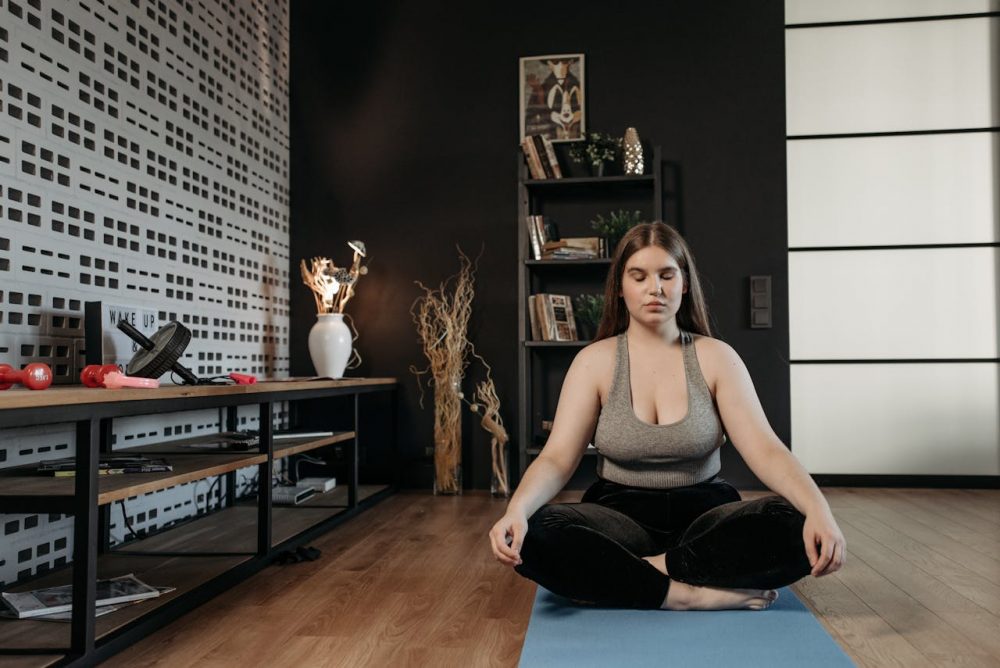
Mindful Meditation
Multiple studies suggest that mindfulness meditation can reduce stress levels. Just a few minutes a day can make a difference!
Exercise Regularly
Not only is it good for your body. But it is also fantastic for your mind. Exercise releases endorphins – natural mood lifters.
Healthy Diet
Antioxidants and vitamins found in fruits and vegetables, especially carrots, leafy greens, and berries, can help protect your eyes. Additionally, it’s also important to hydrate well, as dehydration can exacerbate visual disturbances.

Sleep
Prioritize it. Lack of rest can not only increase stress but can also strain your eyes.
Eye Exams
Regular check-ups can ensure that any vision-related issues are spotted early on. If you notice any changes in your vision or if your eyes are frequently strained, do not hesitate to consult an optometrist.
Engage in Hobbies
Reading (with good lighting!), painting, or simply listening to music can be therapeutic. Remember, relaxation does not always mean doing nothing. It is about doing what you love and what calms your mind.
While it might seem strange to think of stress affecting our vision, the connection is quite real. By being aware of the link and taking steps to manage stress, we not only contribute to our general well-being but also ensure that we see the world as clearly and brightly as possible.
After all, life is too beautiful a spectacle to view through a stressed-out blur.