In today’s fast-paced and stressful world, it’s important to prioritize our mental health and find ways to relax and manage anxiety. Anxiety exercises can effectively calm the mind, reduce stress, and promote relaxation. Here are various exercises that can help you relax and alleviate anxiety.
Deep Breathing Techniques
Deep breathing exercises are simple yet powerful techniques to reduce anxiety and induce relaxation. Find a quiet and comfortable space to sit or lie down. Take a slow, deep breath through your nose, allowing your belly to expand.
Hold your breath for a few seconds, then exhale slowly through your mouth, allowing your body to relax. Repeat this process several times, focusing on your breath and letting go of tension or racing thoughts.

Progressive Muscle Relaxation
Progressive muscle relaxation is a technique that involves tensing and then relaxing different muscle groups in the body. Start by tensing the muscles in your toes and feet for a few seconds, then release the tension, allowing the muscles to relax completely.
Move up through your body, focusing on each muscle group, such as the calves, thighs, abdomen, shoulders, etc. This exercise helps release physical tension and promotes deep relaxation.
Mindfulness Meditation
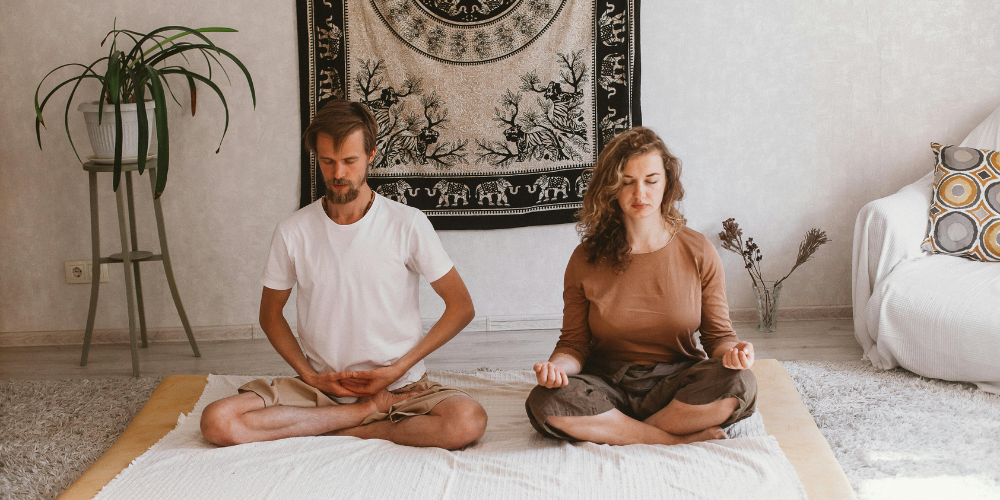
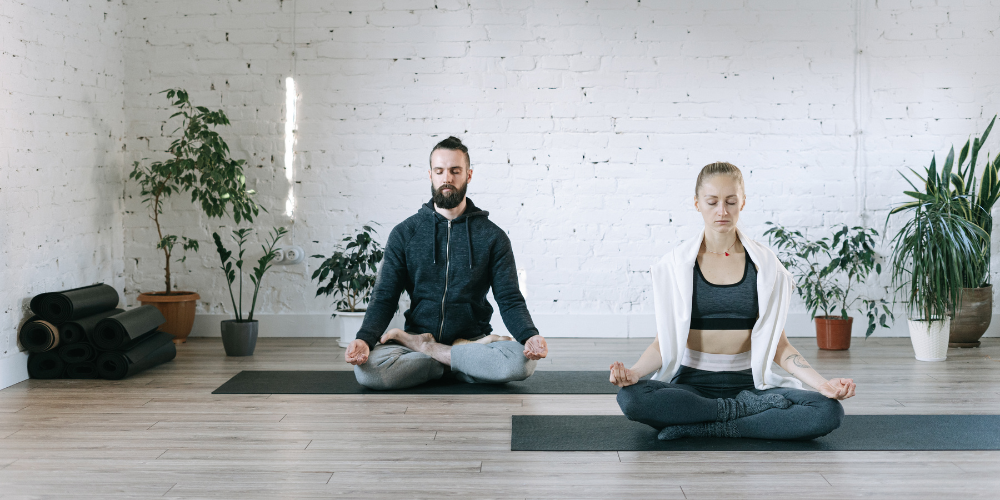
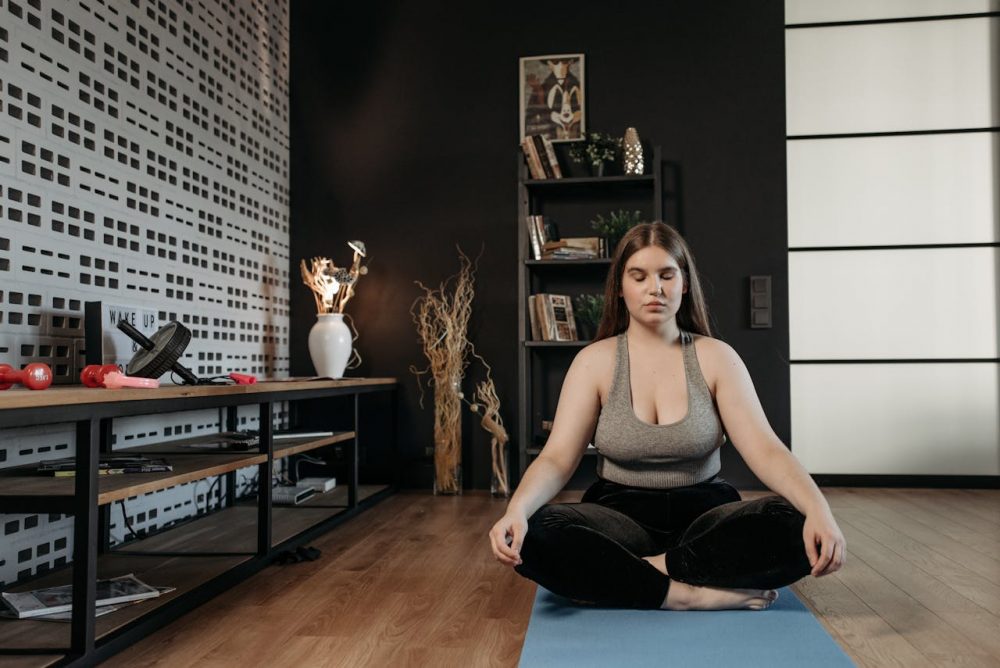
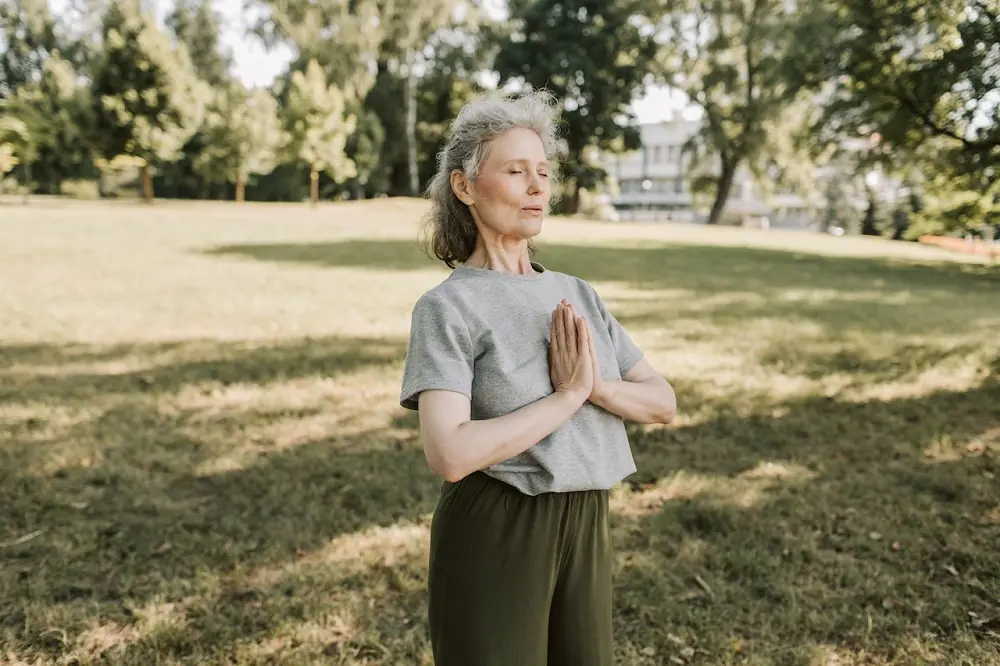
Mindfulness meditation is a practice that involves bringing your attention to the present moment and accepting it without judgment. Find a quiet space, sit comfortably, and focus on your breath. As thoughts arise, observe them without getting caught up, and gently bring your attention back to your breath. Mindfulness meditation can help calm an overactive mind, reduce anxiety, and promote relaxation.
Guided Imagery
Guided imagery exercises involve visualizing calming and peaceful scenes to promote relaxation. Close your eyes and imagine yourself in a tranquil place like a beach, forest, or garden. Engage all your senses by visualizing the colors, feeling the warmth or coolness, hearing the sounds, and even smelling the scents of your chosen scene. Allow yourself to immerse in this mental image and release stress or tension.
Exercise and Physical Activity
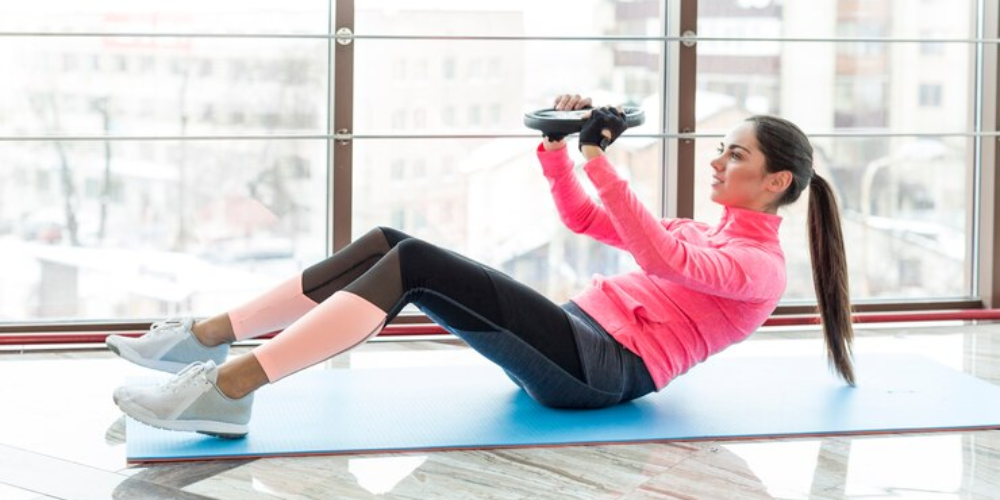
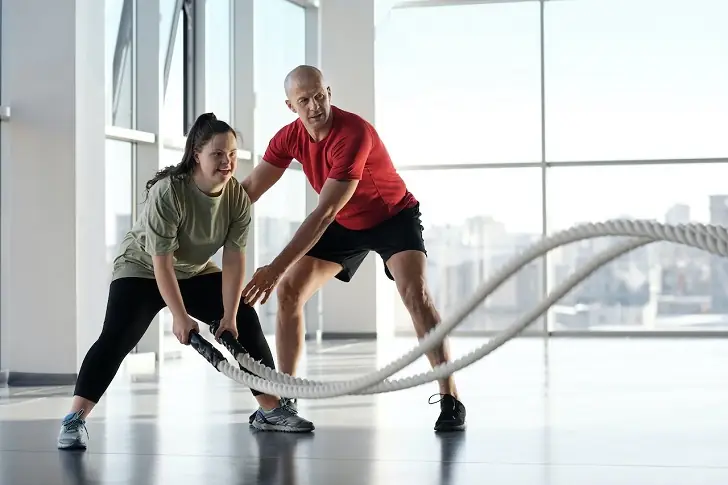
Engaging in regular physical activity is not only beneficial for your physical health but can also have a positive impact on your mental well-being. Exercise releases endorphins, which are natural mood boosters and help to reduce anxiety and stress.
Find an activity you enjoy, such as walking, jogging, yoga, or dancing, and make it a regular part of your routine. Aim for at least 30 minutes of exercise most days of the week.

Journaling
Writing down your thoughts and feelings can be a therapeutic exercise for managing anxiety. Set aside time daily to journal your thoughts, worries, and concerns. This practice allows you to gain clarity, process your emotions, and release negative thoughts or stressors. You can also use your journal to write positive affirmations, gratitude lists, or reflections on things that bring you joy and peace.
Sensory Relaxation Techniques
Engaging your senses in relaxation exercises can help divert your focus from anxious thoughts and induce a state of calm. Experiment with different sensory experiences, such as taking a warm bath with relaxing essential oils, listening to soothing music, using aromatherapy, cuddling with a soft blanket, or savoring a cup of herbal tea.
Find what sensory experiences work best for you and incorporate them into your relaxation routine.