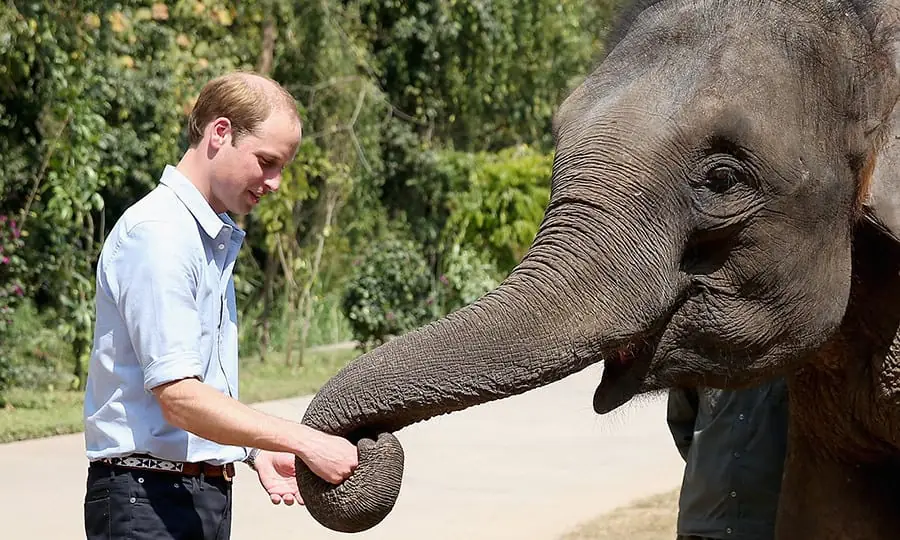
Being a member of the royal family gives you an opportunity to start a ripple effect – that is, the status could prove to be helpful if also used for good intentions. This gives them a chance to make a difference and influence other people to make wiser decisions. It was what Prince William did when he penned a foreword that spokes a thousand about his passion for preserving elephants, a pressing matter that we may have not noticed but is all too real to ignore.
Championing the Conservation of Wildlife
The Duke of Cambridge wrote a moving foreword for the book “The Last Elephants,” showing the massive effect of threats on wildlife, even detailing what his daughter may sadly come to face in the near future. The powerful essay in the book, which celebrates the gentle giant mammals and explains the extinction they face, showed just how much Prince William is serious in his battle against poachers and criminals. Championing this advocacy has always been part of the 37-year-old’s works, oftentimes pushing for the welfare of species such as rhinos and elephants.
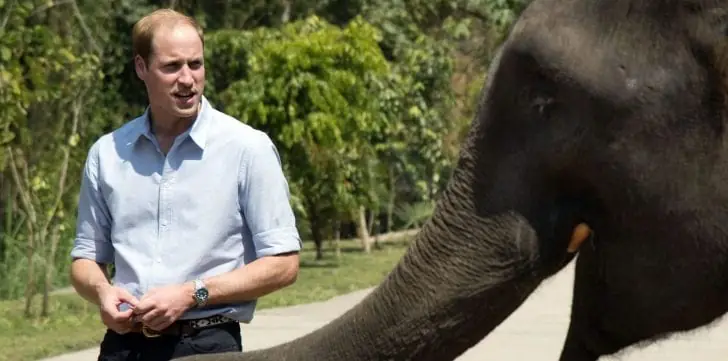
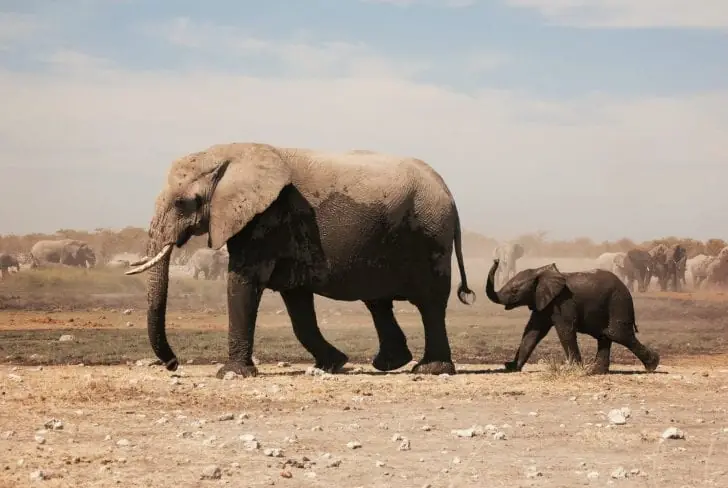
To elaborate on how harrowing the issue is, Prince William said that when he was born, there were still a million elephants running free in Africa. The figure, unfortunately, slid down to 350,000 by 2015, or when his second child Princess Charlotte with his wife Kate Middleton was born, as per the Great Elephant Census. What he fears is that by the time the princess turns 25, there’s a possibility that the animal would be extinct in the continent – which is not an exaggeration. At the rapid rate of the loss of the animals, it wouldn’t be surprising to see an elephant-less savannah.
Not Just the Animals, But Us, Too
Prince William further sends the message loud and clear, highlighting how he’s not ready to be a part of this age when we just let the animals vanish even though we have the tools to stop this from happening. Plus, he pointed out that this isn’t just solely going to affect the creatures, but also human beings. The Duke explained that the poorest are the ones who take the brunt when natural resources are stripped from them illegally.
Meanwhile, this is definitely not the first time Prince William showed his firm stance against illegal poaching and championed his support for the conservation of wildlife. He also appeared in the film “The Last Animals,” which was made by Kate Brooks who is also the photographer for the book. The movie was shown on the National Geographic Channel and gave a glimpse of how rangers face a dangerous battle against people who want to loot the animals.
Brooks said in an interview last year that Prince William has played a fundamental role in raising awareness on the issue. The Duke of Cambridge is the United for Wildlife president and has visited Vietnam and China, areas that consume most of the animal products.
Other Efforts
Last year, he also went to Kenya, Tanzania, and Namibia via a plane that was emblazoned with #EndWildlifeCrime. In sub-Saharan Africa he met the Tusk Trust, an organization that aims to stop elephant poaching. Prince William also participated in safaris where he was able to see the animals up close and even went on to chat with locals. At one point in his conversation with the Save the Rhino Trust Namibia, the Duke underscored how important Namibia’s voice is on the subject matter. He also praised the rangers whose dedication to protecting the species population is truly admirable.
In October during the Illegal Wildlife Trade conference, Prince William pushed for harsher punishment for those guilty of illegal wildlife trade. Speaking in front of numerous delegates, he said he wasn’t asking countries to prioritize this issue against other matters but it’s important to see a link between the crimes. According to the International Ranger Federation, there were at least 850 rangers that were killed in the past 10 years, which speaks volumes as to what people can do for money.
As per last year’s data, environmental crime, which covers the illegal wildlife trade, is ranked fifth as the most lucrative crime, accumulating $22 billion per year. Tusks, horns, and bones are used for medicines and jewelry.