The orange fungus Neurospora intermedia might not sound like the latest culinary trend. But this fluffy mold has captured the attention of chefs and environmentalists alike. A recent study from the University of California, Berkeley, reveals how this vibrant fungus can transform food waste into delicious and sustainable dishes.
It is not a mere theory, though. The research is now appearing on the menus of Michelin-starred restaurants.
Why the Orange Fungus Is a Game Changer in Food Sustainability
Neurospora intermedia is actually an old friend in traditional Southeast Asian cuisine. In Java, Indonesia, this orange fungus is used to make “oncom,” a fermented dish similar to tempeh but made from soybean byproducts. For centuries, this mold has thrived on discarded food materials, turning waste into sustenance.
However, this small but mighty fungus doesn’t just grow on waste. It alters the texture and flavor of the food, creating new culinary experiences. From transforming stale bread into cheesy-tasting toast to reimagining unsweetened rice custard into a sweet delight, Neurospora Intermedia is reinventing flavors in an eco-friendly way.
Its ability to grow on food waste without producing toxins has made it a favorite among chefs who seek both sustainability and innovation.
How the Fluffy Fungus Is Making Its Way to Michelin-Starred Menus
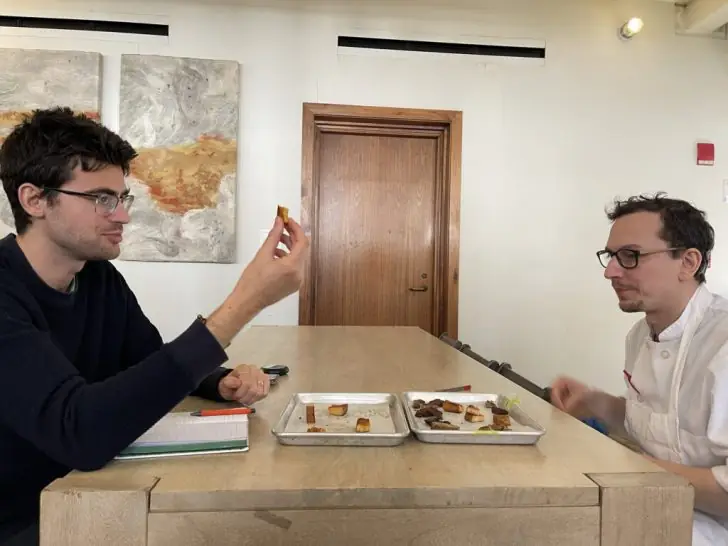
Food upcycling has been around for a while. But Neurospora intermedia brings something unique to the table. Unlike other molds that might make food inedible, this orange fungus produces safe, enjoyable flavors. Vayu Hill-Maini and his team at the University of California, Berkeley, recently collaborated with renowned chefs to test its potential.
Working alongside culinary pioneers like Rasmus Munk from Alchemist in Copenhagen and Andrew Luzmore at Blue Hill in New York, they experimented with this orange mold to create new gourmet dishes from food waste.
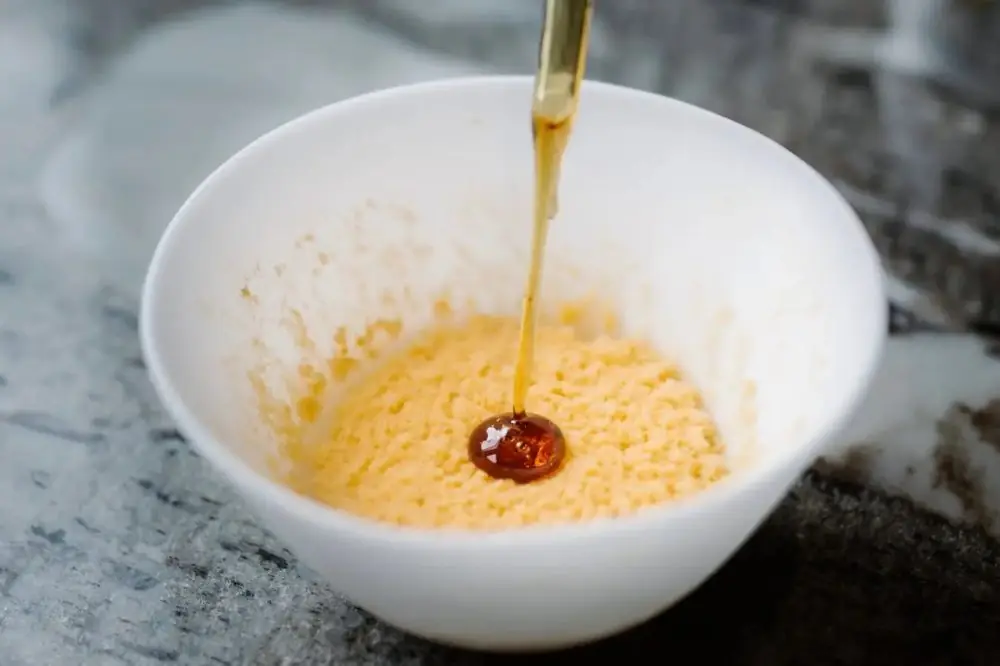
The results? Dishes that are both sophisticated and sustainable. At Alchemist, one dessert incorporates a jellied plum wine paired with fermented rice custard, transformed over a 60-hour fermentation period. This lengthy process intensifies flavors in ways that are unexpected. Thus, giving a new depth and aromatic profile to the ingredients.
The Science Behind Neurospora Intermedia and Its Unique Properties
Neurospora intermedia’s journey from food waste to fine dining is rooted in its scientific properties. This orange fungus grows on over 30 different types of agricultural waste, from tomato pomace to banana peels, with no toxic byproducts.

This naturally enhances flavor and texture and makes it an ideal candidate for transforming otherwise unusable food waste into high-quality meals.
When Neurospora intermedia grows on discarded food, it alters the structure of the food itself. For instance, when applied to bread, it breaks down the starches in a way that creates a “cheesy” flavor, an unexpected delight for taste buds. In other applications, like rice custard, the fungus introduces a subtle sweetness and creaminess, perfect for desserts.
Globally, about one-third of all food produced is wasted. However, this wasted food doesn’t just take up space in landfills. It is a major contributor to greenhouse gas emissions. Repurposing food waste into edible products can dramatically reduce environmental impact. And Neurospora intermedia is proving to be a valuable tool in this effort. Upcycling food waste reduces methane emissions from rotting food and gives new life to what would otherwise go unused.